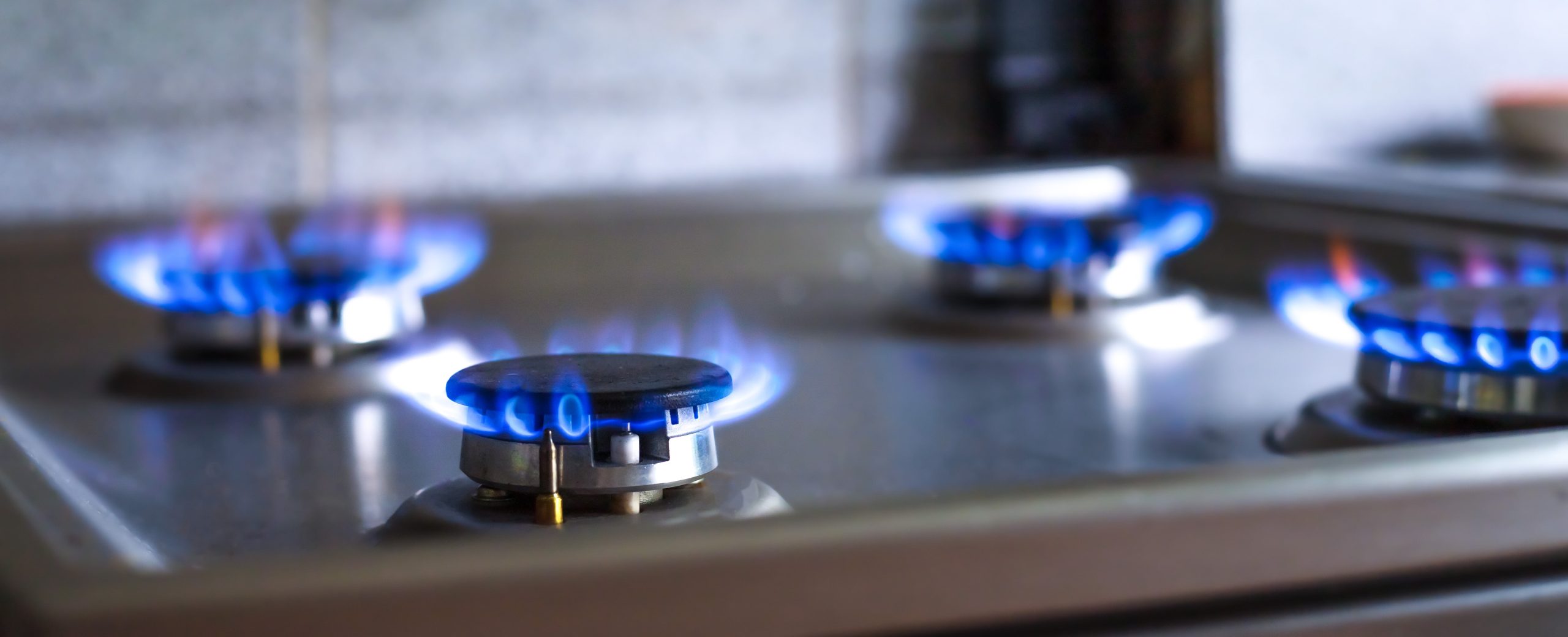
The Importance of a Gas Certificate for Landlords in Milton Keynes
As a landlord in Milton Keynes, it is important to make sure that the properties you lease are safe and certified with the appropriate guidelines. One essential aspect of this is getting a gas certificate, also referred to as a Gas Safety Record. In this short article, we will talk about the significance of a gas certificate for proprietors in Milton Keynes, the benefits of having one, and the effects of not having one.
What is a Gas Certificate?
A gas certificate is a file that confirms that the gas appliances and setups in a residential or commercial property have been examined and validated as safe to use. The certificate is issued by a Gas Safe registered engineer after performing a thorough inspection of the residential or commercial property's gas system. The certificate consists of information such as:
- The address of the home
- The type and place of the gas appliances
- The results of the safety checks
- Any problems or issues discovered
- The date of the inspection
Why is a Gas Certificate Necessary for Landlords?
As a landlord, it is your duty to ensure that the residential or commercial properties you rent are safe and complimentary from risks. A gas certificate is necessary for numerous factors:
- Safety: The most essential factor for acquiring a gas certificate is to guarantee the safety of your occupants. gas fire safety certificate milton keynes alonzosokolsky.top can be dangerous if not correctly installed, maintained, or utilized. A gas certificate validates that the home appliances are safe to use and reduces the threat of mishaps.
- Compliance: The Gas Safety (Installation and Use) Regulations 1998 require landlords to guarantee that all gas devices and installations in their properties are safe and appropriately preserved. A gas certificate is evidence of compliance with these regulations.
- Insurance: Many insurance business require proprietors to have a legitimate gas certificate to make sure that their properties are covered in case of an accident or damage.
- Liability: If a renter is hurt or eliminated due to a gas-related mishap, the landlord may be held liable if they can not produce a valid gas certificate.
Advantages of Having a Gas Certificate
Having a gas certificate has a number of benefits for property managers, consisting of:
- Reduced risk of mishaps: A gas certificate validates that the gas appliances and setups are safe to utilize, minimizing the risk of accidents and injuries.
- Compliance with regulations: A gas certificate shows that the landlord is complying with the relevant regulations, avoiding fines and penalties.
- Increased tenant trust: A gas certificate can increase occupant trust and self-confidence in the landlord, leading to longer occupancies and favorable evaluations.
- Lowered maintenance expenses: Regular gas safety checks can identify prospective problems before they end up being major issues, decreasing maintenance costs and extending the life expectancy of the appliances.
Repercussions of Not Having a Gas Certificate
Not having a gas certificate can have serious effects for property managers, including:
- Fines and charges: Landlords who fail to acquire a gas certificate can deal with fines of approximately ₤ 6,000 and/or six months in jail.
- Invalid insurance coverage: Without a gas certificate, insurance plan might be invalid, leaving the landlord without any cover in case of a mishap or damage.
- Increased liability: Landlords who do not have a gas certificate might be held accountable for any gas-related accidents or injuries, resulting in costly legal costs and compensation claims.
- Loss of reputation: Failure to acquire a gas certificate can harm the landlord's reputation, making it more difficult to attract new tenants and preserve existing ones.
Often Asked Questions
- How frequently do I need to obtain a gas certificate?: A gas certificate is required yearly, however it's suggested to have the devices checked every 10-12 months to guarantee continuous safety.
- Who can issue a gas certificate?: Only a Gas Safe registered engineer can issue a gas certificate.
- What happens if I don't have a gas certificate?: You might face fines and penalties, and your insurance coverage may be invalid.
- Can I do the gas safety checks myself?: No, only a Gas Safe registered engineer is certified to conduct gas safety checks and provide a gas certificate.
Actions to Obtain a Gas Certificate
To get a gas certificate, follow these actions:
- Find a Gas Safe registered engineer: Search for a certified engineer in your area who is registered with Gas Safe.
- Set up an appointment: Book a visit with the engineer to conduct the gas safety checks.
- Prepare the property: Ensure that the home is safe and available for the engineer to perform the checks.
- Receive the certificate: Once the checks are total, the engineer will issue a gas certificate, which must be kept file and supplied to the occupant.
List of Gas Appliances that Require a Gas Certificate
The following gas appliances require a gas certificate:
- Boilers
- Cookers
- Ovens
- Hobs
- Water heaters
- Gas fires
- Central heating unit
In conclusion, a gas certificate is an essential document for property owners in Milton Keynes to guarantee the safety of their renters and compliance with the relevant policies. By getting a gas certificate, landlords can minimize the danger of mishaps, prevent fines and penalties, and increase tenant trust. Keep in mind to arrange yearly gas safety checks and keep the certificate on file to prevent any potential issues.